
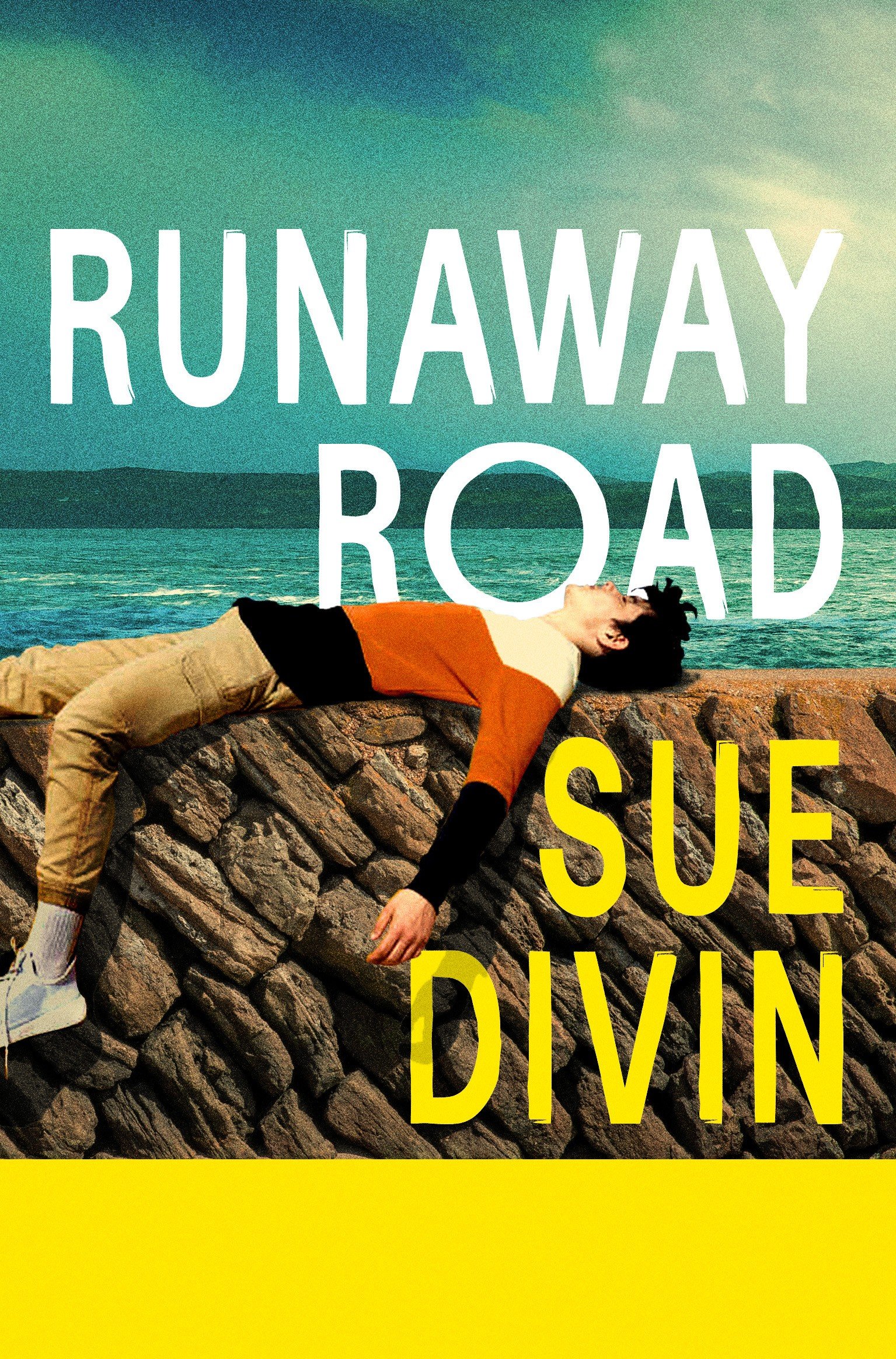
Runaway Road
Three life-changing minutes. Two siblings on the run. One choice that changes everything.
Ezra is sixteen. He’s no stranger to crossing the line, but this time it’s serious – and someone might be dead. To escape justice, he’ll have to cross another line: the Northern Irish border. But that means leaving behind the only thing that really matters. His little sister, Evie.
Evie is nine and sees it differently. When she was three, Ezra took her into care, into safety - and to the bookshop that became her lifeline. Ezra understands her. Why shouldn’t she go on the run with him now?
Ezra and Evie are used to feeling invisible. Now they have to become invisible for real.
Set in Derry~Londonderry and Donegal along the Wild Atlantic Way in 2023, Runaway Road is my third novel. My books are all available in independent bookshops, major book chains and online. Please shop local if you can!
"Divin gives an endearing believable voice to both siblings and invites us to consider the space for grace and forgiveness within today’s world. It is highly likely this book will make you cry at times; lean into it."
— Claire Hennessy (Irish Times)
“A heart-pounding, life affirming story. Every note rings with authenticity, warmth and compassion.”
— Roisín O’Donnell (Author of Nesting)
Runaway Road On Location
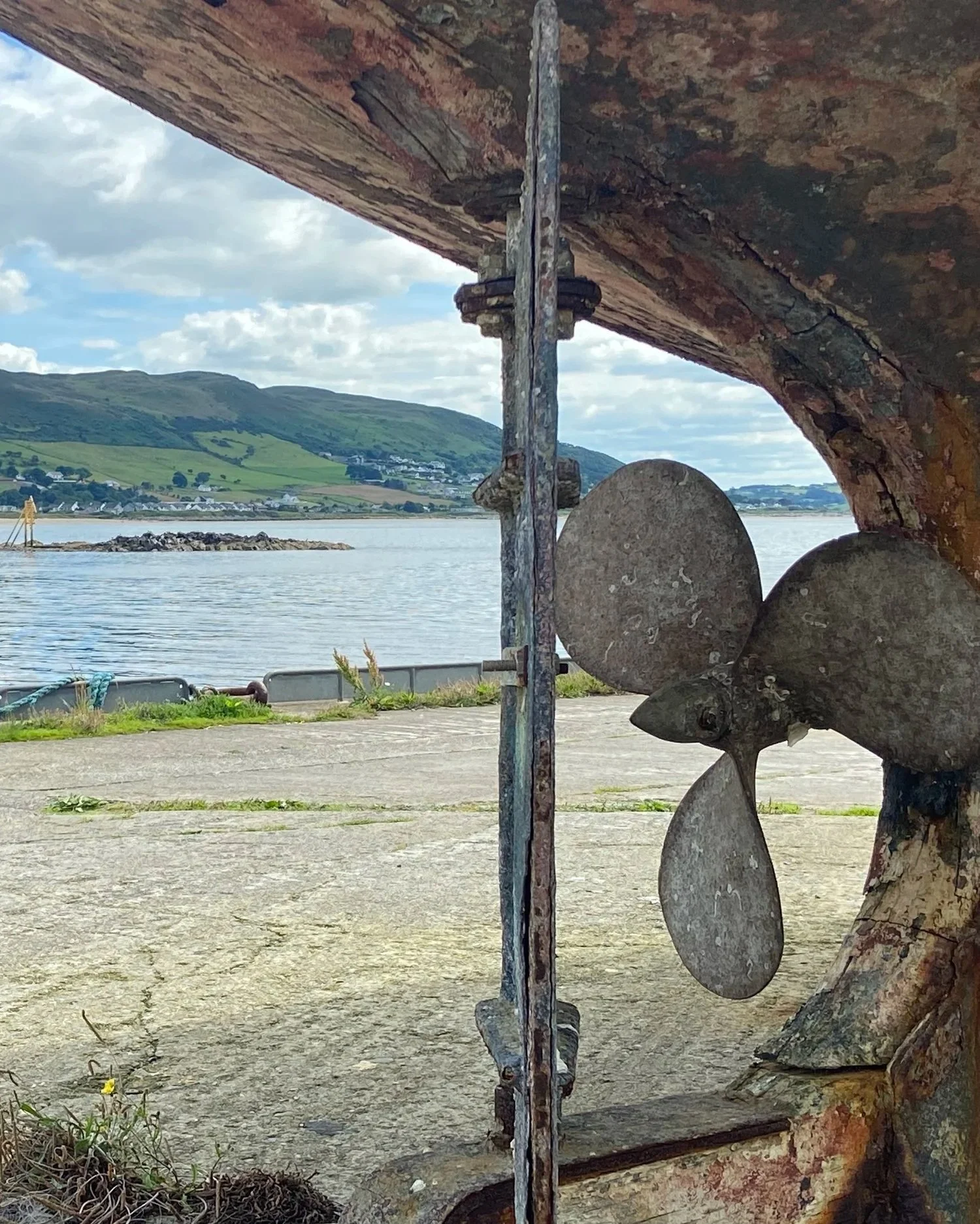
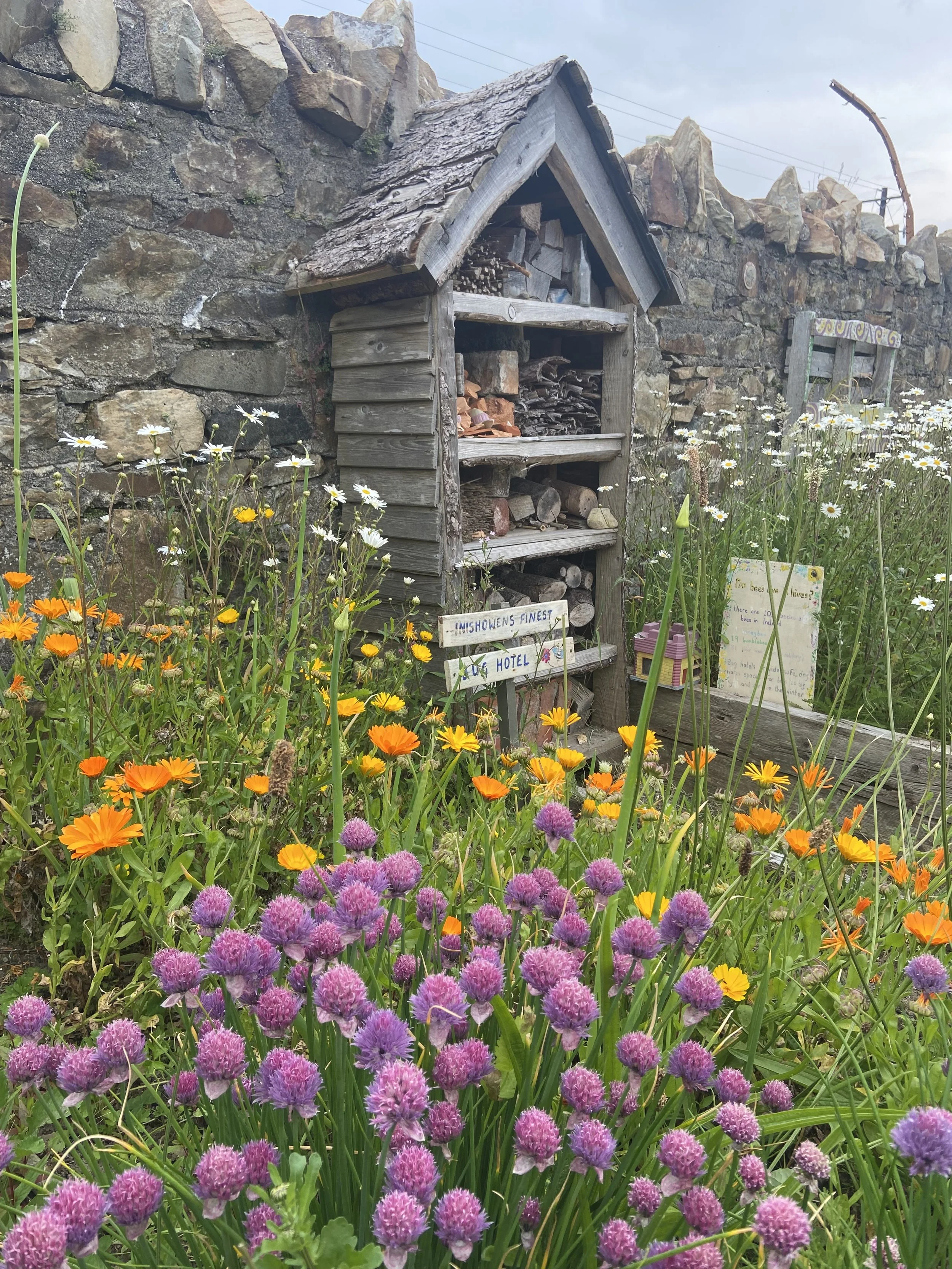
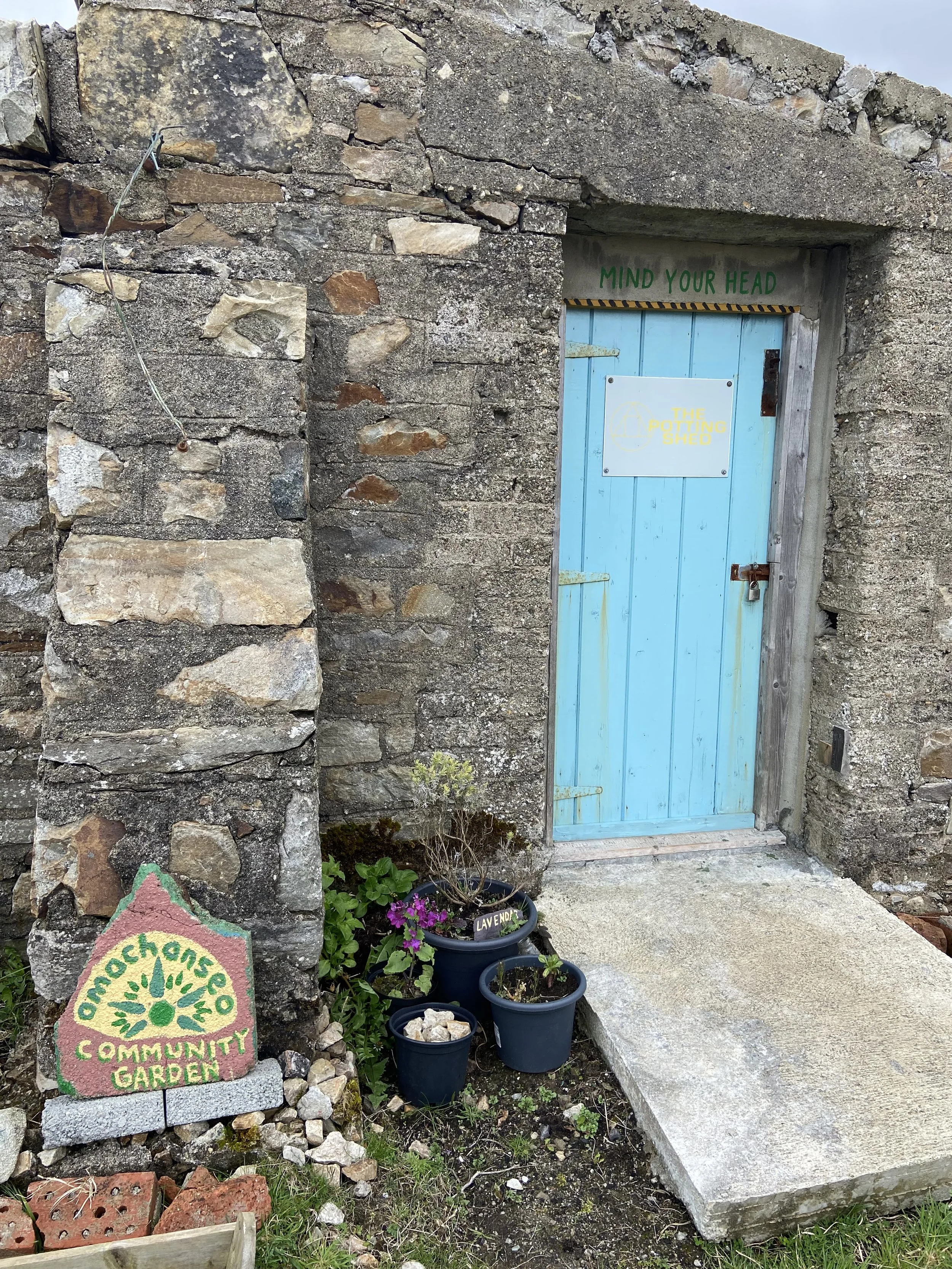
Hear the author bring Ezra and Evie to life to the backdrop of Wild Atlantic Way scenery featured in the novel.

A message from the author.
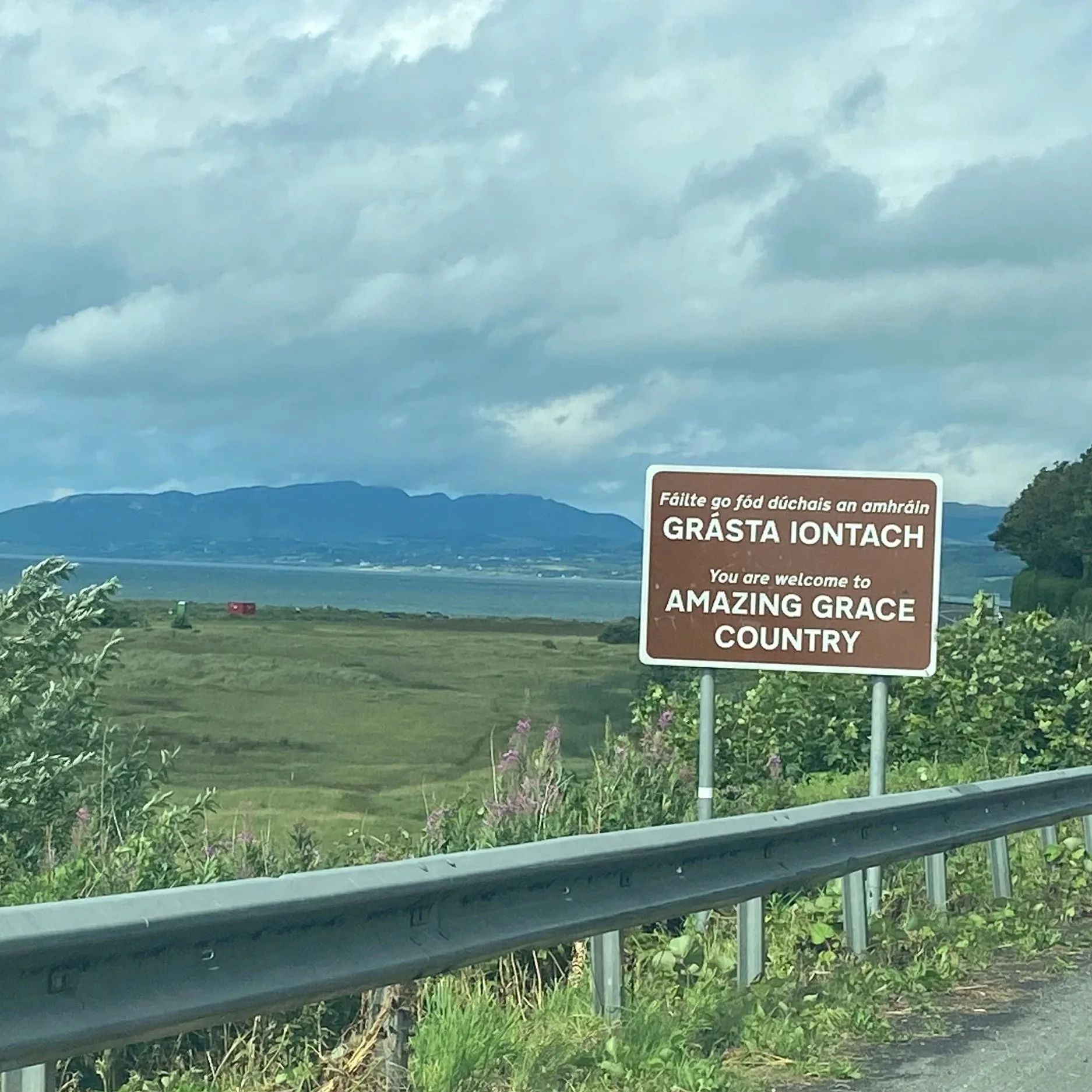
Runaway Road is the story of Ezra and Evie. The book’s original title was I Once Was Lost, from the line in John Newton’s hymn, Amazing Grace. Grace, AKA second chances, or ‘cutting people some slack,’ as Evie puts it, is one of the themes at the heart of this book.
I’m often inspired by the stunning landscapes in the north-west of Ireland, and the ‘Wild Atlantic Way,’ so, when pondering ideas for my third novel, I wanted to set it in Derry and Donegal. This location allowed me to explore the issues facing Northern Ireland (and these islands) about borders and identity. Walking the beaches around Buncrana, the connection with John Newton’s transformation also resonated - his time in the slave trade, his near-death experience and conversion to Christianity, and his abolitionist work towards ending slavery. Being given a second chance allowed him to make a huge, positive difference. Do we give people today that space, that grace, to change? We may not always agree, but sometimes, with cancel-culture and tension between political extremes, it feels like we simplify, categorise and box people. Have we lost the power to listen? Does devaluing listening, risk devaluing people?
This novel, like Guard Your Heart and Truth Be Told, is set in the real, contemporary context of Northern Ireland. 2023. Post-Conflict. Post-Brexit. Post-Covid. It is however more social than political. It’s about belonging, finding family and friendship. Ezra and Evie have struggled all their lives to fit. In 2024 there were over 4000 children in the care system in Northern Ireland – often due to abuse and neglect. The legacy of ‘The Troubles’ means that some children here are vulnerable to gang or paramilitary influences. Also, in 2025, one in every 17 school-age children in Northern Ireland had an autism (ASD) diagnosis. With experience of neurodiversity in my own family, Evie’s voice somersaulted off the page with all her unique wonderfulness. Ezra required more research, with some deep insights from insiders in the Youth Justice and policing services. When people do wrong, do we give them a second chance?
Northern Ireland is a place of increasing diversity, and the legacy of Brexit has thrown up big questions. Ezra and Evie are broadly from the British identity in Northern Ireland. Whilst it’s not the key narrative of the novel, debate about the future relationships between Great Britain, Northern Ireland and Ireland is a hot topic (and likely to remain so). Unionist identities are part of that diversity. Ezra personifies a little of the tension and complexity of that within the current political context. It intrigues me that Belfast born C.S.Lewis, author of The Lion, The Witch and The Wardrobe (which celebrated its 75th anniversary in 2025), was left out of the Dictionary of Irish Literature (1996). Alannah’s mixed-race character also poses the question of how we define Irish, Northern Irish or British today. How inclusive are we?
Above all else, I hope you enjoy the story. That it makes you laugh, cry and smile. And that it makes you think.
— Sue
"A powerful, compassionate story of two siblings searching for safety and acceptance."
— The Guardian
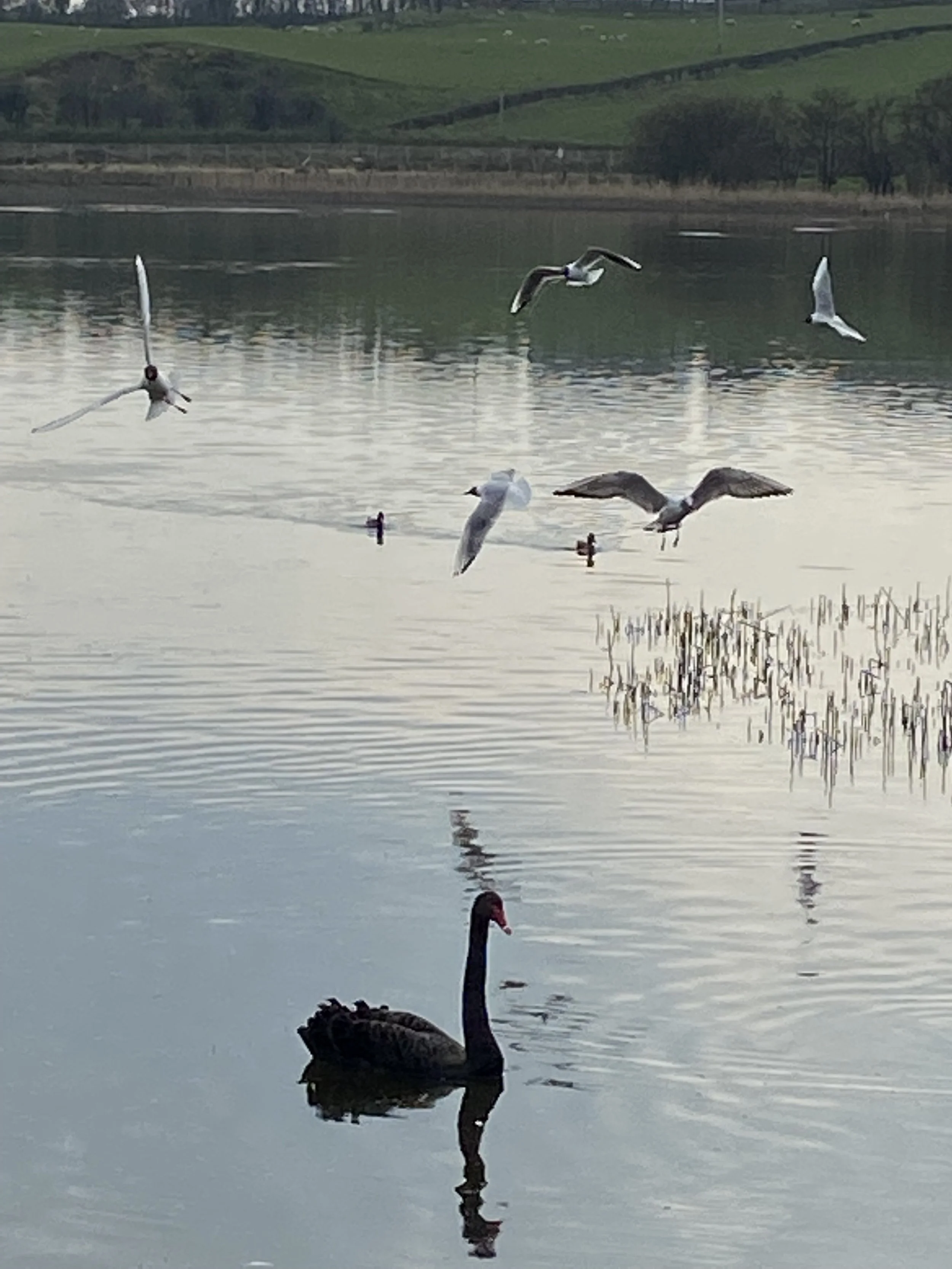
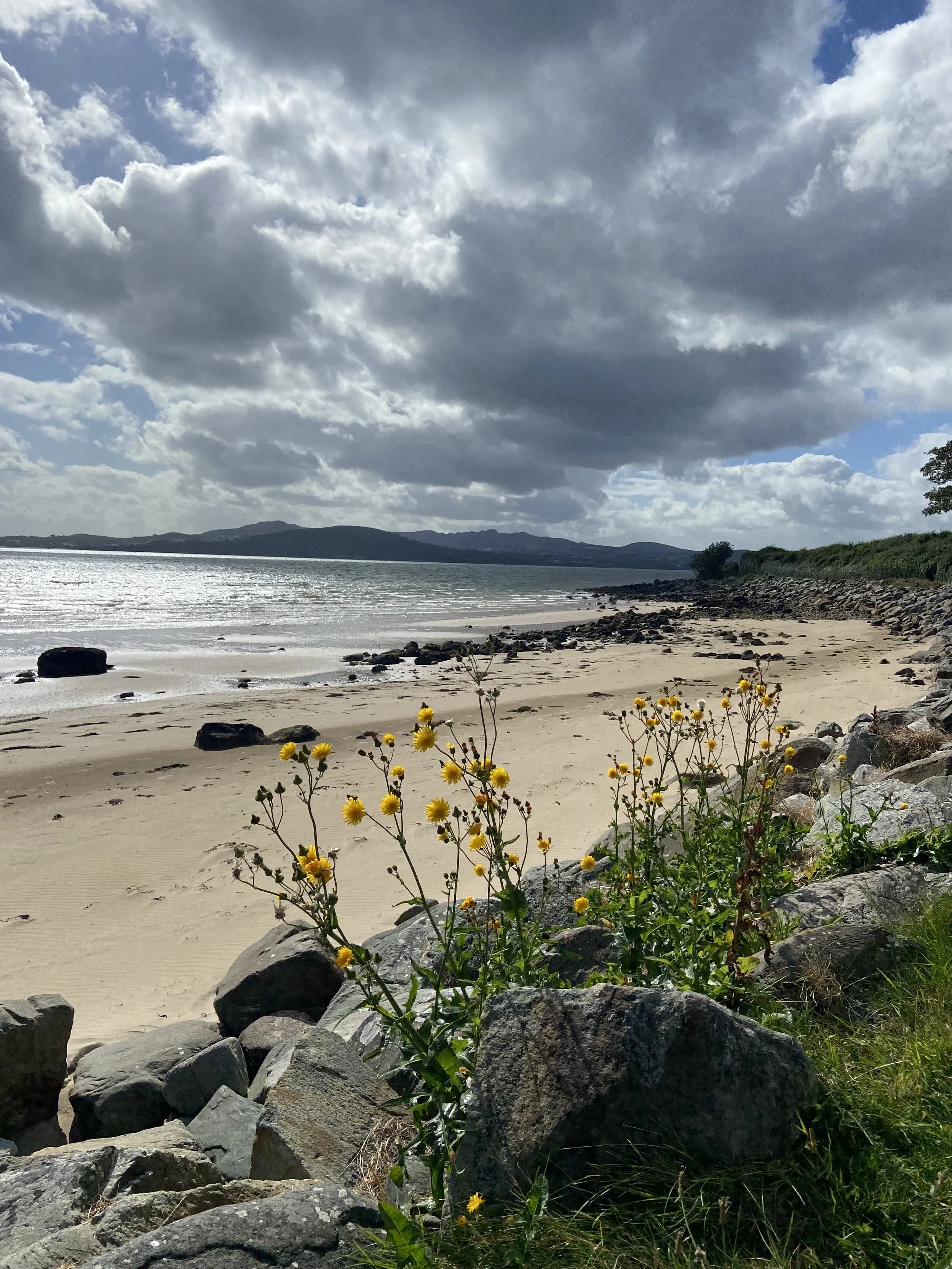
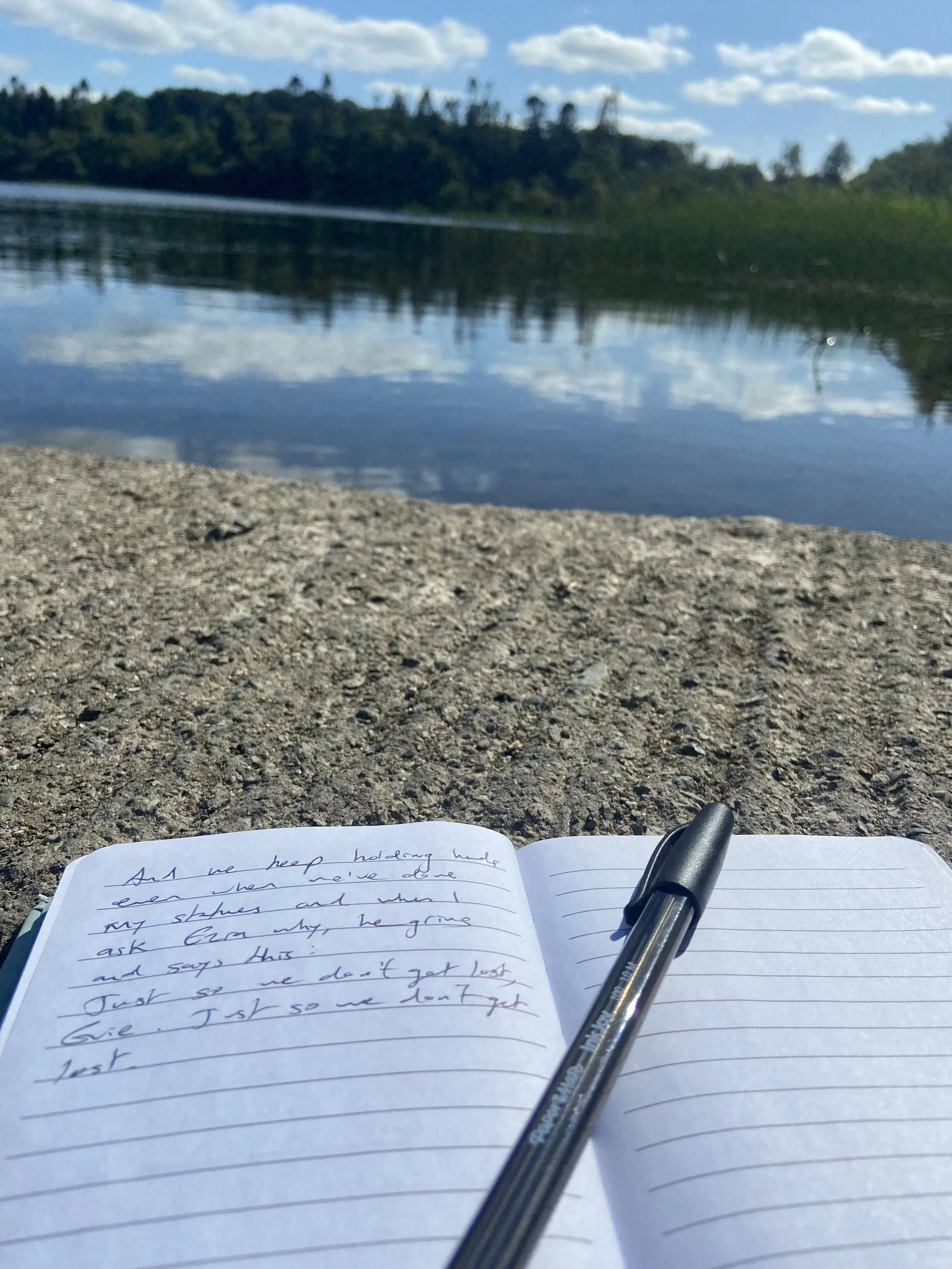
A handwritten last page.
Blessed with the award of the 2024 Irish Writers’ Centre Jack Harte bursary, I wrote the last chapter of Runaway Road on a writing retreat at the Tyrone Guthrie Centre. Sat on a lakeside wooden jetty, a kingfisher darted neon-blue, low across the water. Magic.
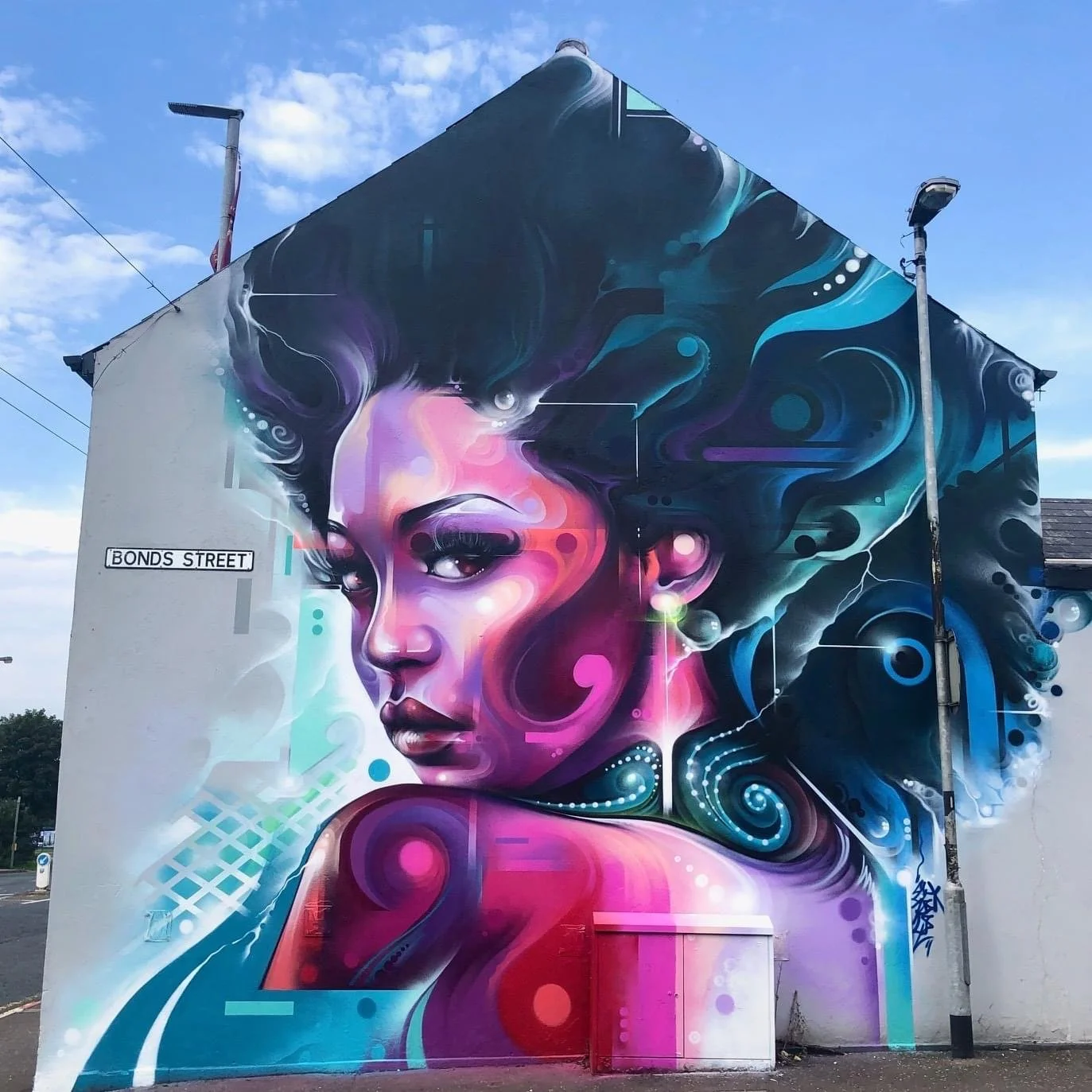
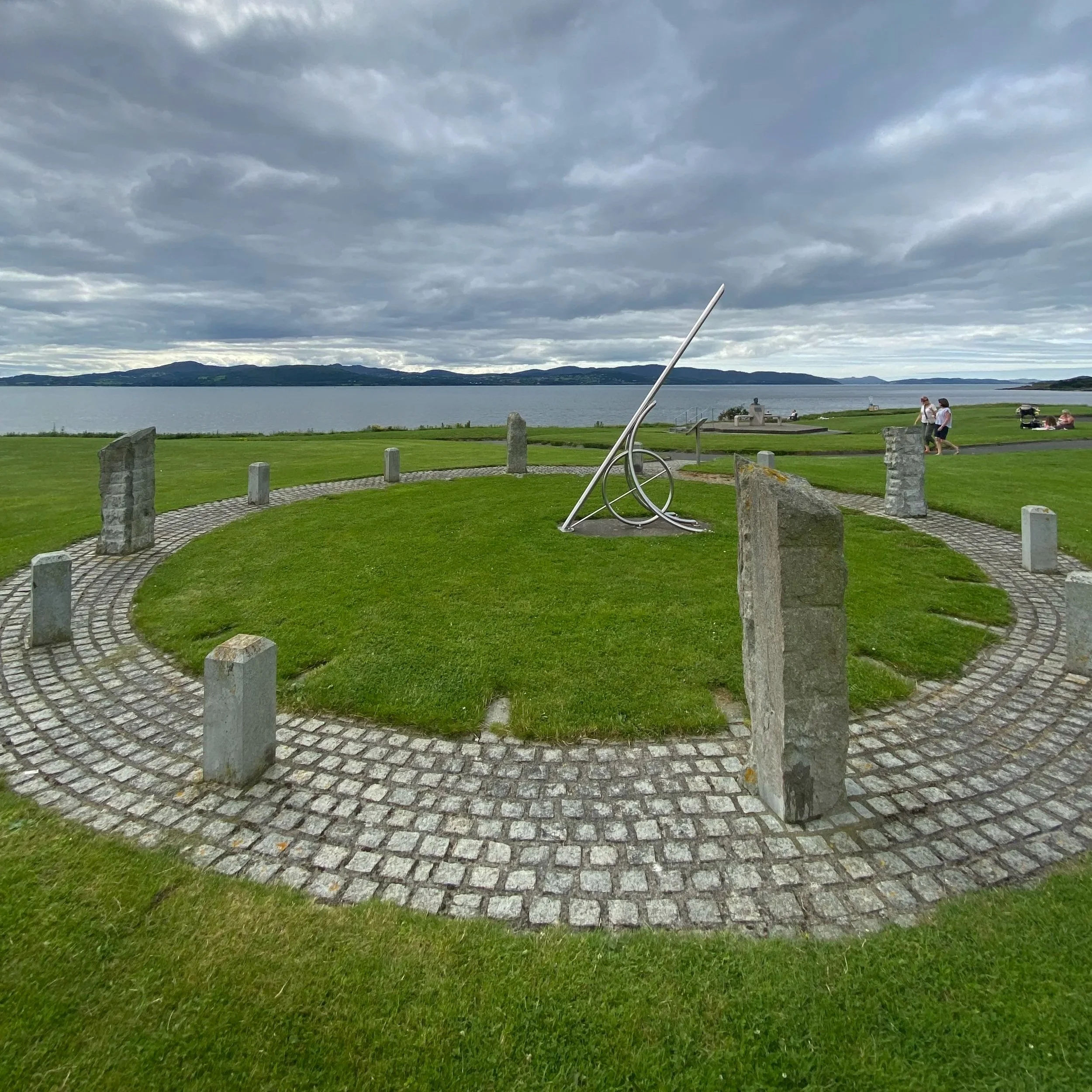
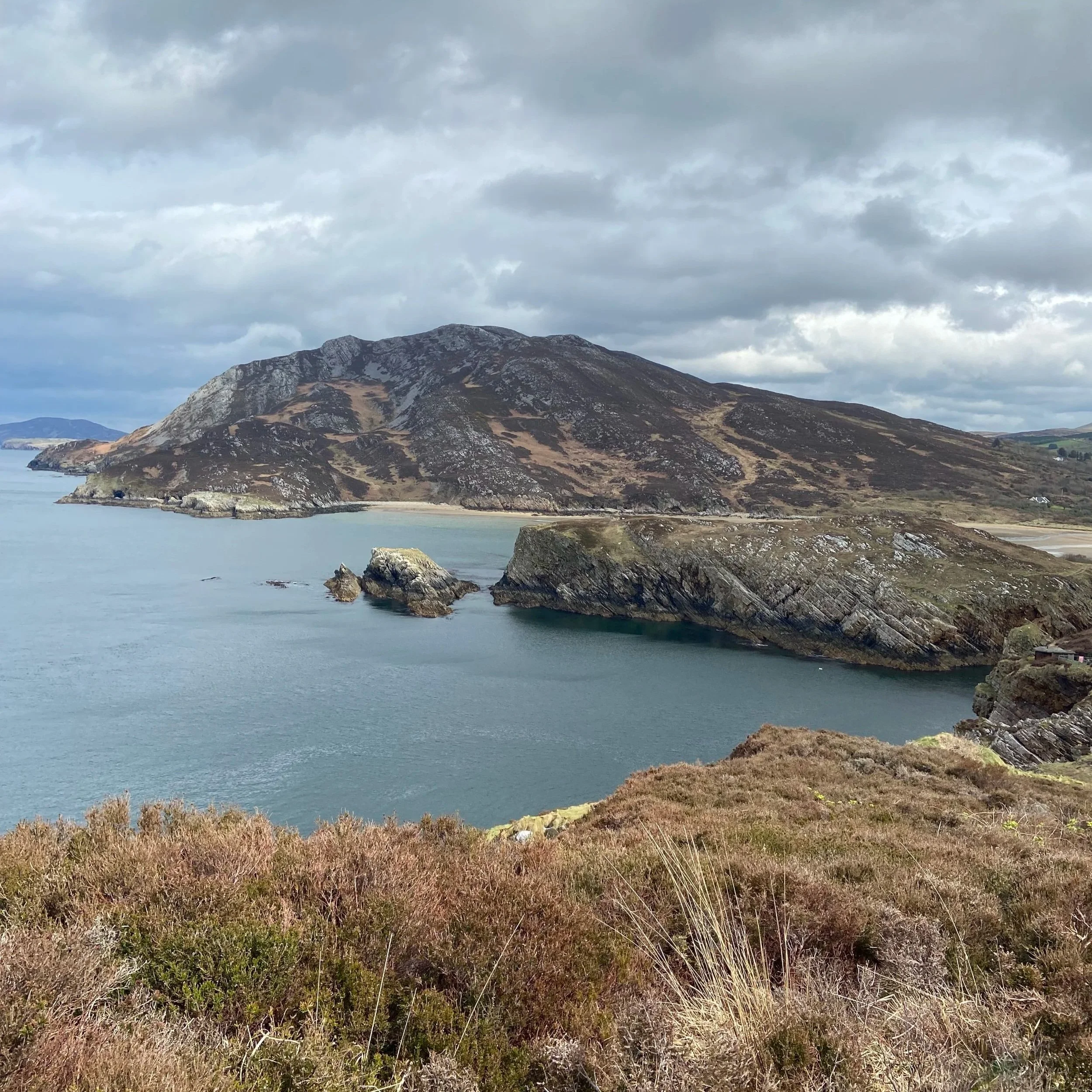
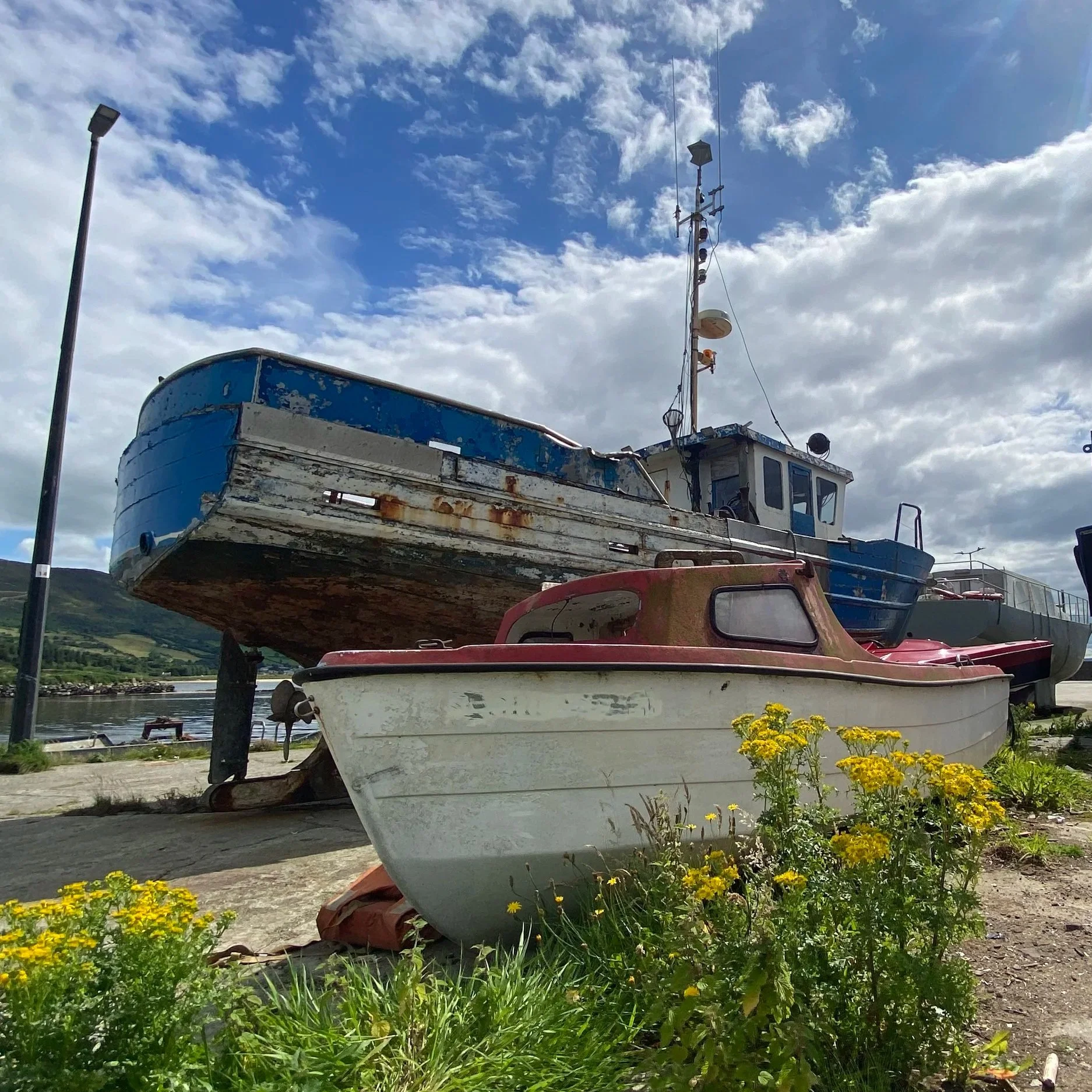
Locations Featured in Runaway Road

"Heart-breaking, urgent, and bleakly hilarious. Runaway Road is Sue Divin at her very best."
— Michelle Gallen (Author of Big Girl Small Town and Factory Girls)